Mom Life, Messy Bun: A Designer’s Embroidery Review
As a designer who has spent countless hours digitizing and stitching out files for clients, I have learned that not every cute graphic translates well to thread. We often see trendy T-Shirt Designs and Graphics that look perfect on a screen but become a nightmare under the needle. Recently, I pulled the Mom Life, Messy Bun , Momlife design into my workspace to evaluate its potential for real-world commercial embroidery projects. This isn’t just about whether it looks cute; it is about whether it holds up in a hoop, survives the wash, and sells in a boutique setting.
First Impressions and Visual Personality
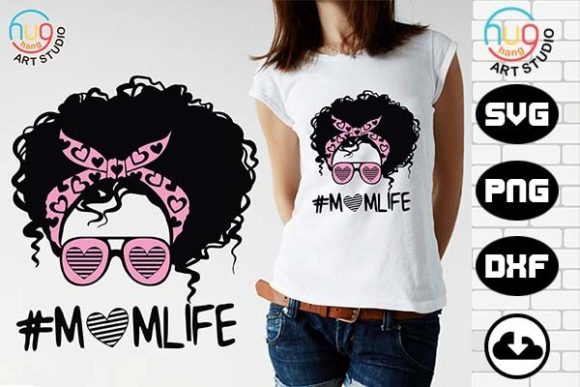
The first thing that strikes you about this design is its relatability. The combination of messy hair, sunglasses, and a ribbon creates an instant mood of casual, confident motherhood. It is playful without being childish, which makes it versatile. From a layout perspective, the elements are balanced. The sunglasses provide a solid horizontal anchor, while the messy bun adds vertical interest. For an embroidery project, this balance is crucial because it helps distribute stitch density evenly across the fabric.
However, as an experienced reviewer, I look past the aesthetic to the technical structure. The "messy" aspect of the bun suggests texture, which in embroidery terms usually means a mix of fill stitches and potentially some running stitches to mimic stray hairs. If the digitizer relied too heavily on dense satin stitches for the hair, it could look stiff and plastic-like rather than soft and organic. The ribbon detail needs careful attention; if it is too thin, it might get lost or break during high-speed stitching.
Real-World Application: The Custom Tote Bag Test
To truly test Mom Life, Messy Bun , Momlife, I imagined a specific scenario: a custom order for a local mom-and-pop boutique selling canvas tote bags. These bags are popular personalized gifts and everyday carry-alls. I visualized placing this design on a natural cotton canvas. The contrast between the dark thread colors typically used for sunglasses and hair against the light fabric would be striking.
In this context, the design works beautifully. It is not overly large, so it fits comfortably in a standard 5x7 or 6x10 hoop. The theme resonates with the target demographic—busy moms who appreciate humor and style. When stitched on a sturdy fabric like canvas or denim, the design maintains its shape. The sunglasses act as a focal point, drawing the eye, while the text (if included in the specific file version) or the graphical elements communicate the message clearly. This makes it an ideal candidate for a handmade product that feels professional yet personal.
Performance on Apparel and Textiles
Beyond tote bags, I evaluated how this machine embroidery design would perform on various apparel items. For sweatshirt embroidery, the design needs to handle the pile of fleece or French terry fabric. If the stitch density is too low, the fabric might show through the gaps. If it is too high, the garment could pucker. A well-digitized version of this design should use appropriate underlay stitches to stabilize the fabric before the top stitches lay down.
For baby embroidery, such as on onesies or bibs, the scale becomes critical. You must ensure that the details of the sunglasses and the bun are not so small that they become indistinct after washing. Baby items undergo frequent laundering, so the stitch count and density must be robust enough to prevent unraveling. Similarly, for cap embroidery, the curved surface presents a challenge. The design must be narrow enough to fit within the typical cap frame limits without distorting the facial features of the graphic.
Technical Considerations for Stitchers
Before you load this embroidery file into your machine, there are several practical steps you must take. Since the product description mentions a ZIP folder with SVG, DXF, and PNG formats, it is important to clarify the intended use. SVG and DXF files are primarily for cutting machines like Cricut or ScanNCut, often used for vinyl heat transfers or applique templates. If you are doing direct machine embroidery, you need to ensure you have the correct embroidered file format (such as PES, DST, or JEF) compatible with your specific machine. Do not assume the SVG is ready for stitching without proper digitizing software conversion.
If you are using this as an applique design, the process changes. You would stitch the placement line, place the fabric for the hair or glasses, tack it down, and then stitch the satin border. This method reduces stitch count and is excellent for textured fabrics where dense stitching might cause puckering. Always check the license terms. Just because you downloaded a ZIP folder does not automatically grant commercial rights. Confirm whether the creator allows you to sell finished items like embroidered patches or custom apparel.
Navigating Fabric and Hoop Constraints
Where should you use caution? Small hoop sizes can be tricky if the design includes fine lettering or intricate details in the ribbon. On stretchy fabrics like jersey knits, a heavy stabilizer is non-negotiable. Without it, the tension from the satin stitches on the sunglasses could distort the garment. Dark fabrics require careful thread color selection. If the design relies on subtle shading, it may not pop on black or navy material. In such cases, consider using a lighter underlay or choosing high-contrast thread colors to maintain visual clarity.
Also, be mindful of curved surfaces. While the design is relatively compact, placing it on a curved cap brim or a rounded pillow cover requires precise hooping. Any misalignment will be obvious because the symmetry of the sunglasses and the bun is central to the design’s appeal. Always run a test stitch on scrap fabric of the same type and weight as your final product. This simple step saves time, thread, and frustration.
Enhancing Product Value and Brand Consistency
For Etsy sellers and small shop owners, the choice of design impacts brand perception. Mom Life, Messy Bun , Momlife fits well within a niche of humorous, relatable lifestyle products. It appeals to buyers looking for unique, handmade items rather than mass-produced goods. When presented correctly, such as on a high-quality linen tea towel or a structured apron, it elevates the perceived value of the item.
Use this design to create cohesive collections. Pair it with other mom-centric themes for holiday embroidery gifts or back-to-school promotions. Create printable mockups to show customers how the design looks on different products before they buy. This transparency builds trust and reduces return rates. Remember, the goal is to create a finished product that looks intentional and professional. Whether you are making a single personalized gift or a batch of inventory for a craft fair, the quality of the stitch-out reflects directly on your brand.
In conclusion, Mom Life, Messy Bun , Momlife is a strong contender for your design library, provided you approach it with technical diligence. Verify your file formats, respect the fabric constraints, and always prioritize stitch quality over speed. When executed well, this design offers a charming, marketable asset that resonates with modern mothers and adds a touch of personality to any textile project.